
Plant Pain Perception: Understanding the Science Behind Plant Responses
Do Plants Feel Pain?
The short answer is no; plants do not experience pain in the same way animals do. Unlike animals, which have nervous systems, nerve receptors, and brains that process pain, plants lack these biological systems. However, this does not mean that plants are completely unresponsive to damage or injury. Recent research reveals that plants possess sophisticated systems for sensing, responding to, and even communicating damage, blurring the lines between passive organisms and active perceivers.
The Nature of Pain in Animals
Pain in the animal kingdom is a complex neurological and emotional experience. For example, if you touch a hot stove, specialized nerve cells (nociceptors) send electrical signals to the brain, where they are interpreted as pain. This serves as a warning system to prevent further injury. Plants, on the other hand, do not have neurons or consciousness to process such experiences.
This raises the question: Are plants indifferent to damage? Not quite. While they do not feel pain as animals do, they are capable of recognizing injuries and reacting defensively, albeit without subjective awareness.
Plant Intelligence: Responses Without Nerves
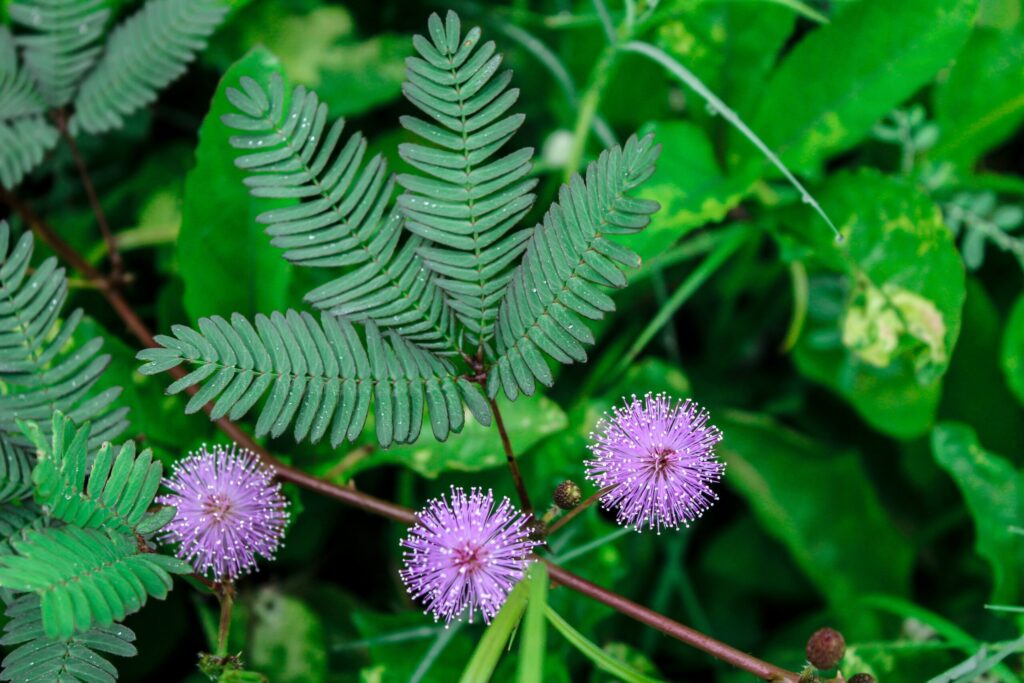
Some plants exhibit near-instantaneous responses to touch. For instance, the Venus flytrap closes its leaves within 0.3 seconds when its trigger hairs are touched, showcasing a quick reaction despite the absence of a nervous system. Similarly, the sensitive plant (Mimosa pudica) folds its leaves in a matter of seconds when disturbed, likely as a defense mechanism against herbivores. These movements are driven by changes in water pressure within cells, indicating that plants can detect and react to physical stimuli.
Electrical Signals: The "Nervous System" of Plants
While plants lack true nerves, they employ electrical signaling to send warnings about threats. For example, when Arabidopsis thaliana (a common mustard plant) is eaten by caterpillars, it generates calcium-based electrical signals from the damaged leaf to other parts of the plant, triggering the production of defensive chemicals. This is not pain but rather an automatic survival mechanism, akin to a burglar alarm being activated.
Chemical SOS: How Plants Call for Help
In addition to electrical signals, some plants release volatile organic compounds (VOCs) when harmed, effectively "screaming" chemically. Corn and tobacco plants emit VOCs that attract parasitic wasps, which then target the herbivores consuming the plants. Additionally, acacia trees can alert neighboring plants to grazing threats, prompting them to bolster their defenses. Once more, these responses do not reflect conscious suffering but are evolved survival tactics.
The Myth of Plant Pain and Its Ethical Implications
It is tempting to anthropomorphize plants, imagining a carrot screaming when harvested. However, projecting animal-like suffering onto plants is misleading. Unlike animals, which possess centralized nervous systems and exhibit overt behaviors indicative of distress, plants respond to damage without feelings or the capacity to suffer. Eating lower on the food chain (plants instead of animals) reduces overall harm because animals consume far more plants than humans would directly.
Future Research Directions
Scientists are continually exploring how plants perceive their environment, including studies that suggest plants can detect sound (some findings indicate that roots grow in response to water vibrations), exhibit memory (the Venus flytrap only snaps after two stimuli, suggesting a form of short-term memory), and make decisions (vines choose optimal paths for climbing, hinting at primitive problem-solving abilities). Nevertheless, none of these abilities imply consciousness; they demonstrate advanced biological programming.
Conclusion: No Pain, But Remarkable Awareness
In summary, plants are not passive victims of their environment. They detect threats, communicate with allies, and defend themselves, all without a single neuron. Unless we redefine "pain" to exclude consciousness, it is clear that plants do not suffer. Therefore, feel free to tend to your garden and relish your salads without guilt, marveling at the silent yet sophisticated world of plant intelligence—just don’t feel sorry for your broccoli.
This understanding invites ongoing dialogue about the ethical considerations of plant consumption and furthers our appreciation of the complex lives of plants without attributing to them the ability to feel pain in an animal sense.
For further reading, interested individuals can explore recent discoveries about plant genetics, dietary impacts on gut health, and new species revelations in national parks.


