
The text discusses the impact of the Great Economic Crisis (1929-1939) on Romania, contrasting common narratives with statistical data from the Romanian government.
Overview of the Great Economic Crisis
The Great Depression resulted in severe economic hardships globally, leading to industrial stagnation, unemployment, a decline in living standards, political extremism, and eventually, World War II. Many authors have portrayed this interwar period with grim statistics and dramatic imagery, often emphasizing devastating consequences.
Romania’s Economic Landscape
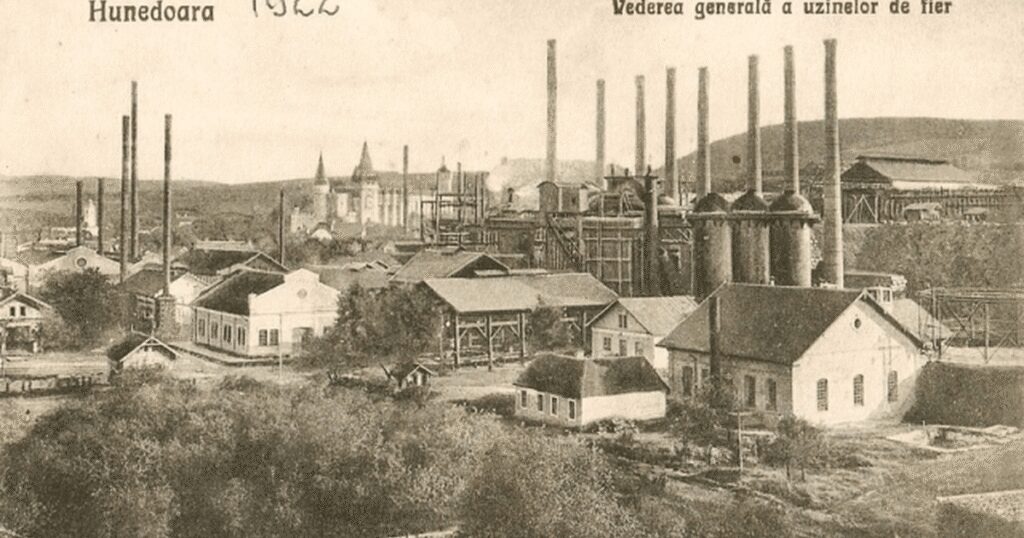
While global narratives focus on crisis, Romanian statistics tell a more complex story. The country faced increasing demand for iron, vital for its industrial development. In 1932, Romania imported only 82,894 tons of iron. By the mid-1930s, as international tensions rose, interest in raw materials, especially for armament, surged. Despite efforts to boost local capacities, the primary response was increasing imports, which grew to 111,822 tons in 1933 and reached 383,917 tons by 1938. Despite augmented imports, domestic production remained insufficient.
Urban and Rural Dynamics
During this recessionary period, urban areas saw developments that significantly transformed Romania’s industrial face. Investments in infrastructure and construction escalated, with urban centers remodeling to reflect modern architectural styles, such as the skyscraper trend initiated by buildings like the Palace of Telephones in Bucharest.
Industrial Demands
Iron was crucial not just for construction but also for transportation and manufacturing sectors. The need for robust materials led to an upsurge in domestic manufacturing abilities. By 1936, Romania had imported 302,486 tons of iron and steel, indicating capability in processing considerable amounts of semi-finished products.
Iron Consumption Trends
Despite theGlobal Depression, Romania saw an increase in the consumption of metals, particularly in producing impressive buildings and motorized transport. Historicians debate the actual impact of this period, with some arguing that significant volumes of iron were utilized despite the economic downturn. The assembly of vehicles post-1929 consumed ever-increasing quantities of iron due to their growing need for durability, reflecting a societal shift towards mechanization.
Conclusion
While global narratives typically focus on depredation during the Great Depression, Romania’s case presents a dual narrative where industrial needs and urban advancement continued to thrive amid the broader crisis, encapsulating the paradox of economic challenges coupled with infrastructural growth.


