
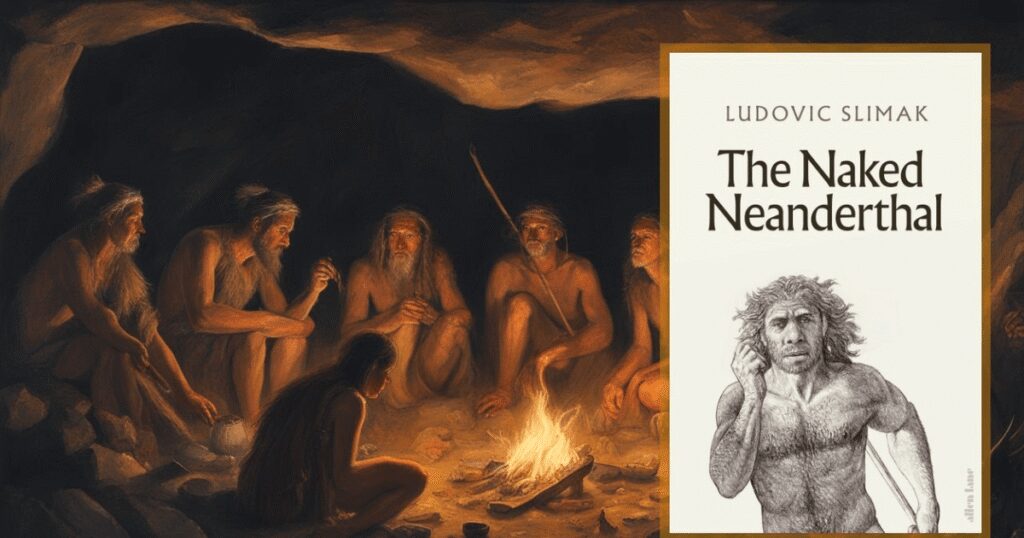
In the realm of paleoanthropology and archaeology, the nature of Neanderthals has always captivated and stimulated debate. Ludovic Slimak’s recent book, Neanderthalianul dezbrăcat (The Naked Neanderthal), presents a fresh perspective that challenges conventional understandings. This article delves into the key arguments and ideas of Slimak’s work, illuminating the enigmatic world of these distant relatives of modern humans.
Exploring Neanderthals: A Journey into the Past
Slimak’s work invites readers to embark on a journey to a time when Neanderthals roamed Western Eurasia, emerging approximately 400,000–350,000 years ago. Traditionally viewed as intellectually and creatively similar to Homo sapiens, Slimak argues that Neanderthals were much stranger and more mysterious than previously believed.
The Eemian Interglacial: A Crucial Phase
A focal point of the book is the Eemian interglacial period, a warm phase that lasted over 10,000 years, beginning around 123,000 years ago. During this time, much of the land inhabited by Neanderthals was covered in lush forests. Slimak emphasizes the importance of this era for understanding Neanderthal culture and behavior.
Symbolic Hunting: Deciphering Rituals
Drawing from his excavations in southern France, particularly at Le Grand Abri aux Puces, Slimak finds evidence suggesting that Neanderthals engaged in symbolic hunting, deliberately targeting males of certain species. This behavior raises questions about the potential existence of ritual practices, challenging traditional views on their cognitive abilities.
Cannibalism: A Social Norm?
The book also tackles the controversial topic of cannibalism among Neanderthals, referencing findings from Moula Guercy. Rather than interpreting these actions as desperate measures during the Eemian, Slimak posits that they were part of normal social interactions, supporting this idea through parallels in archaeology and primatology.
The Enigma of the Châtelperronian Culture
Slimak delves into the mystery of the Châtelperronian culture, dated between 43,000 and 39,000 years ago in France and northern Spain. Characterized by stone tools and artifacts that combine features of both Neanderthals and modern humans, the debate continues over whether these items were independently developed by Neanderthals or influenced by Homo sapiens.
Challenging Assumptions: The Need for Caution
A recurring theme in Slimak’s book is the necessity for caution in interpreting archaeological evidence. He emphasizes rigorous excavation standards and the importance of maintaining the integrity of archaeological layers. This call for methodological rigor serves as a warning for archaeologists to stay vigilant in their pursuit of historical truth.
The Debate on Neanderthal Extinction
Slimak addresses the sensitive issue of Neanderthal extinction. While genetic analyses indicate episodes of hybridization with Homo sapiens, he discusses evidence from the Grotte Mandrin site in France. This suggests that modern humans may have quickly replaced Neanderthals, proposing the hypothesis that extermination rather than assimilation was the likely cause of their disappearance.
Aesthetic Sensibility: Between Aesthetic and Utilitarian
The author critically examines the idea that Neanderthals had a sense of aesthetics. He questions museum representations that depict them with painted skin or wearing shell necklaces, suggesting these items could have practical purposes. While recognizing the aesthetic value of engraved bones and colored fossils, Slimak remains cautious about their artistic significance.
A Call for a Holistic Approach
Throughout the book, Slimak advocates for a holistic approach to archaeology. He stresses the importance of fieldwork and direct engagement with archaeological sites, warning against conclusions drawn solely from museum collections. Although his perspective may be viewed as controversial, it underscores the necessity for firsthand experience in studying Neanderthals.
Conclusion
Neanderthalianul dezbrăcat by Ludovic Slimak challenges established perceptions of Neanderthals and their culture. While some of his ideas diverge from traditional archaeology, the book represents a provocative contribution to ongoing discussions. It serves as a reminder of the complexities and uncertainties surrounding these enigmatic relatives of modern humans. Slimak’s appeal for methodological rigor and intellectual openness should guide archaeologists in their quest for understanding.


