
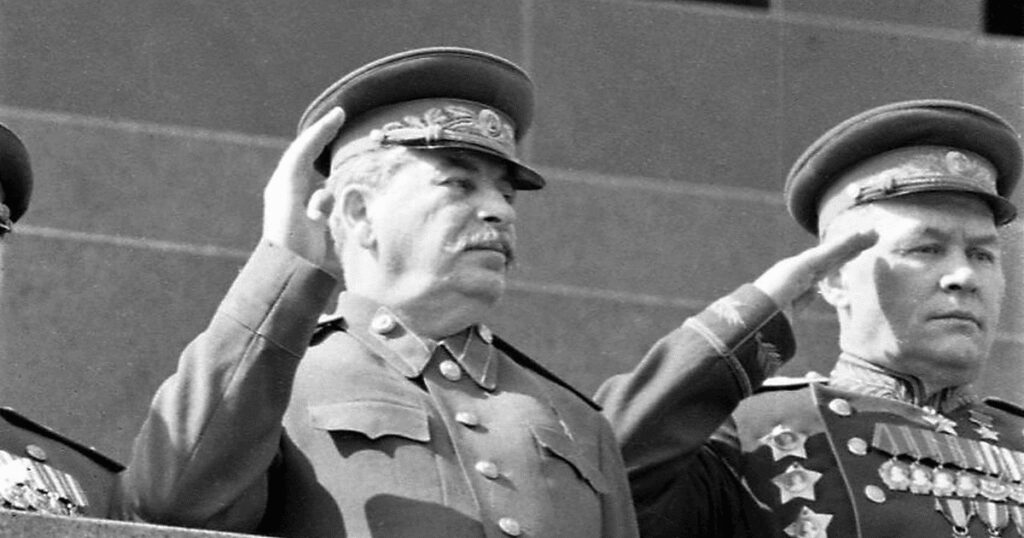
The Second World War was characterized by a fierce struggle for living space and the quest for global hegemony. During this period, the concept of mercy for the defeated was largely absent. The Soviet leadership, under Joseph Stalin, aimed to annex the territory between the Prut and Dniester rivers, declaring its intention to create a new and happier world following the end of Romanian dominance in the region. Stalin initiated annexation efforts in 1940, with renewed attempts in the fall of 1944.
While military campaigns were theoretically justified, they often led to severe economic and health crises, resulting in increased mortality among the civilian population. The end of hostilities in May 1945 saw a decline in death rates, leading communist authorities to assert that they had overcome even the dire threat of death. Reported fatalities decreased from 9,688 in April to 8,404 in May. This downward trend seemingly reinforced the narrative of the communist leaders who claimed to be part of a superior form of government.
However, historical records published by historian Valeriu Pasat indicated that the situation was much graver than the authorities portrayed. In April 1947, the death toll rose sharply to 15,034, surpassing the totals from the preceding two years. The spike in mortality was attributed to disastrous policies implemented by Moscow, particularly the enforced grain quotas and the requisition of agricultural produce based on surface area and crop type. Instead of benefitting the struggling local populations, these resources were redirected to support industrial centers engaged in heavy armament production.
Stalin’s policies mirrored those seen during the Holodomor in Ukraine in 1933, driven by the same motives: the pursuit of military growth and global conquest. Despite being fully aware of the dire straits faced by the population, Stalin prioritized the collection of foodstuffs to fuel the war machinery, effectively neglecting the basic needs of the residents between the Prut and Dniester rivers. Consequently, famine conditions emerged, deepening as agricultural resources were drained while local communities suffered.
In summary, the aftermath of World War II and the policies of Stalin painted a grim picture, where a quest for power and industrial supremacy came at the devastating cost of human lives. The narrative of communist success was starkly contradicted by the cold statistics of mortality, underscoring the catastrophic impact of the Soviet regime’s decisions on the civilian populace.


