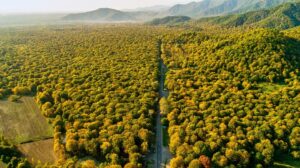
Nestled in the eastern part of the Netherlands, Enschede is a vibrant city known for its rich history, modern innovations, and diverse culture. Among its many attractions, one stands out for its unique blend of agriculture and community spirit: Farmecul Enschede. This urban farm offers a glimpse into sustainable farming practices while fostering connections within the community.
The Concept of Farmecul: Urban Farming with a Twist
Farmecul is not just any farming initiative; it combines urban agriculture with educational outreach and community involvement. This concept aims to bring fresh, organic produce to city dwellers while promoting sustainability and eco-friendly practices. By utilizing space in urban environments, Farmecul proves that farming can exist even in densely populated areas, fostering a connection between people and the land.
Origins and Development
Farmecul Enschede was established in response to the increasing demand for locally sourced food that is both healthy and sustainable. The founders recognized a gap in the market for urban farms that provide not only produce but also educational programs and community engagement.
As the project developed, it gained support from local residents, schools, and organizations. The farm became not just a place to grow food but also a hub for workshops, community gatherings, and social events. This multifaceted approach has allowed Farmecul to flourish while promoting a sense of community and shared responsibility for the environment.
Features of Farmecul Enschede
Farmecul Enschede is designed to be an engaging and educational experience for all ages. Below are some of the key features that make this urban farm a unique destination.
1. Diverse Crop Production
The farm grows a variety of fruits, vegetables, and herbs, focusing on seasonal and native plants. This diversity not only promotes biodiversity but also enhances the local culinary scene. Visitors can find everything from tomatoes and peppers to more exotic herbs, all cultivated using organic farming practices.
2. Educational Programs
One of the core missions of Farmecul is to educate the community about sustainable agriculture and healthy eating. Throughout the year, they offer workshops, school programs, and guided tours where participants can learn about everything from planting seeds to composting.
These educational opportunities aim to inspire the next generation of environmentally conscious individuals who understand the importance of sustainable practices.
3. Community Engagement
Community involvement is at the heart of Farmecul. Local volunteers are encouraged to participate in farming activities, from planting and harvesting to maintaining the garden. This not only fosters a sense of ownership among residents but also strengthens social bonds.
Regular community events, such as harvest festivals and potlucks, further promote camaraderie and encourage residents to share their knowledge and experiences.
4. Eco-Friendly Practices
Farmecul prides itself on using innovative, eco-friendly farming techniques. From rainwater harvesting to organic pest control methods, each practice is designed to minimize the environmental impact of farming activities. They also emphasize the importance of biodiversity and soil health in their cultivation methods.
5. Accessibility
Recognizing that not everyone has equal access to fresh produce, Farmecul offers a community-supported agriculture (CSA) program. Participants can subscribe to receive a share of the farm’s harvest, making fresh, organic produce accessible to a wider audience. This initiative not only supports the farm but also strengthens the local food system.
The Impact on Enschede and Beyond
Farmecul Enschede has made a significant impact on the local community and has inspired similar initiatives in other cities. By fostering a culture of sustainability, it encourages residents to reconsider their food choices and the sources of their meals.
Economic Benefits
The farm contributes to the local economy by providing jobs, supporting local suppliers, and stimulating related businesses such as restaurants and markets. The focus on local agriculture helps keep money within the community, promoting economic resilience.
Environmental Awareness
Farmecul’s educational programs have raised awareness about environmental issues, such as climate change and biodiversity loss. By teaching residents about sustainable practices, it instills a sense of responsibility towards the planet and motivates individuals to adopt more eco-friendly habits in their daily lives.
Social Cohesion
The social aspect of Farmecul cannot be overstated. It has become a gathering place for diverse groups of people, promoting inclusivity and social interaction. This sense of community is essential for combating feelings of isolation that can often arise in urban settings.
The Future of Farmecul Enschede
Looking ahead, Farmecul Enschede aims to expand its educational programs and engage with even more community members. Plans for a larger facility and additional workshops are in the pipeline to accommodate the growing interest in sustainable living and urban agriculture.
Furthermore, the farm seeks to incorporate technology into its practices. By utilizing data analytics and smart farming techniques, Farmecul can optimize crop production and resource management, making it a model for future urban farming initiatives.
The Role of Visitors
Visitors are always welcome at Farmecul Enschede. Whether you are a local resident or a tourist, you can participate in farm activities, attend workshops, or simply enjoy a leisurely stroll through the gardens. The farm also hosts a small shop where you can purchase fresh produce and locally made products, supporting the local economy.
FAQs about Farmecul Enschede
1. What are the visiting hours for Farmecul Enschede?
Farmecul Enschede is generally open from 9 AM to 5 PM, but visiting hours may vary based on the season and scheduled events. It’s advisable to check their official website or social media for the most current information.
2. Can I volunteer at Farmecul?
Yes! Farmecul welcomes volunteers of all ages. You can join community events or regular farming activities. It’s a great way to learn about sustainable farming and meet new people.
3. Do they offer educational programs for children?
Absolutely! Farmecul has various educational programs designed for children, which are a fun and engaging way for them to learn about farming, sustainability, and healthy eating.
4. Is the produce grown at Farmecul available year-round?
While Farmecul strives to provide fresh produce throughout the year, availability may vary based on growing seasons. They also have a CSA program that allows members to receive seasonal produce.
5. How can I support Farmecul Enschede?
You can support Farmecul by visiting, volunteering, or subscribing to their CSA program. Additionally, sharing their mission with others can help raise awareness about the importance of sustainable agriculture.
6. Are there any events held at Farmecul?
Yes, Farmecul regularly hosts events such as harvest festivals, workshops, and community potlucks. Check their website for the event calendar and upcoming activities.
7. Is there parking available at Farmecul Enschede?
Yes, there are parking facilities nearby. However, it’s encouraged to take public transportation when possible to reduce your carbon footprint.
8. Can I buy products other than produce at Farmecul?
Yes, Farmecul also sells locally made products, gardening supplies, and eco-friendly items in their shop. This allows visitors to support local artisans while they shop.
Conclusion
Farmecul Enschede represents a sustainable future for urban agriculture and community engagement. By blending farming and education, it promotes a healthier lifestyle while fostering connections between people and their environment. As more cities look to replicate its model, Farmecul Enschede remains a shining example of how communities can come together to cultivate a greener, more sustainable future. Visitors are encouraged to explore, learn, and become part of this vibrant movement that highlights the beauty and importance of local agriculture in today’s world.