
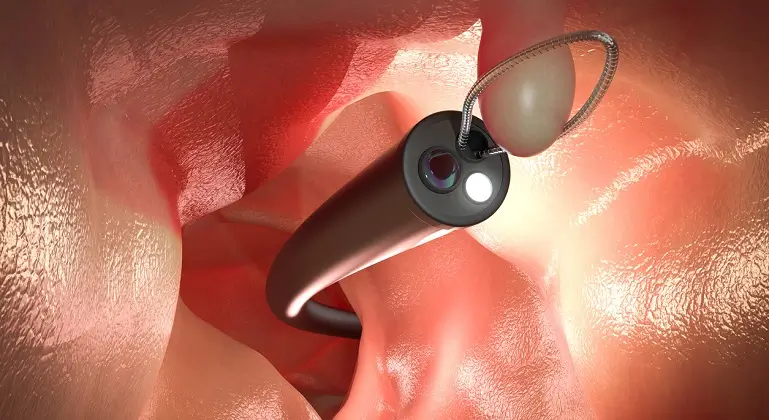
Colonoscopy serves as a fundamental diagnostic and therapeutic procedure in gastroenterology, utilizing a flexible tube equipped with a camera to thoroughly examine the colon and the terminal portion of the ileum.
Importance of Colonoscopy
This investigation plays a critical role in diagnosing various conditions, including polyps, diverticulitis, inflammatory bowel diseases, infections, and rectal bleeding. More significantly, colonoscopy is pivotal in the early detection of colorectal cancer, which has a considerably higher cure rate when diagnosed and treated in its initial stages. Furthermore, the procedure allows for biopsy collection for histopathological examination and enables the endoscopic management of detected lesions, potentially eliminating the need for more invasive surgical interventions.
Who Should Undergo a Colonoscopy?
Colonoscopy can function as both a screening and diagnostic tool, recommended for several patient categories:
-
Patients with Symptoms: Individuals exhibiting symptoms like bowel irregularities, rectal bleeding, persistent abdominal pain, unexplained weight loss, or lack of appetite, as well as those diagnosed with iron-deficiency anemia via blood tests, should consult a gastroenterologist for evaluation.
-
Asymptomatic Screening: It’s usually recommended starting at age 45 for patients without symptoms.
-
Family History of Colorectal Cancer: Individuals with a first-degree relative diagnosed with colorectal cancer are advised to have their first colonoscopy 10 years prior to the age at which their relative was diagnosed. This includes syndromes related to hereditary polyposis.
-
Personal History: Those with previous polyps or colon cancer require regular colonoscopies.
- Inflammatory Bowel Diseases: Patients with conditions such as ulcerative colitis or Crohn’s disease need periodic surveillance to monitor remission and prevent cancer.
Preparation for Colonoscopy
Proper preparation for colonoscopy is crucial for optimizing the procedure and minimizing discomfort for both the patient and the physician. The preparation involves three main steps:
-
Dietary Restrictions: Preparation generally starts 3-5 days before the procedure, urging patients to avoid fiber-rich foods, iron or bismuth-containing medications, and colored foods. Allowed items typically include peeled fruits, cooked vegetables, and dairy products depending on individual tolerance. On the day before the procedure, only clear liquids are recommended, with the last solid meal ideally at 8 a.m.
-
Medication Review: Discussing underlying health issues and ongoing medications (like anticoagulants or antidiabetics) with a physician is essential since they may interfere with the procedure or anesthesia.
- Laxative Solutions: Administering purgative solutions helps cleanse the bowel to enhance visualization, with various options available based on patient tolerance, medical history, and medical advice.
Overcoming Fear of Colonoscopy
Many patients express apprehension about undergoing colonoscopy, mainly due to concerns about discomfort from air inflation in the colon. This discomfort can often be mitigated through sedation or deeper anesthesia and antispasmodic medications administered during the procedure. Patients who receive anesthesia are advised not to drive or sign legal documents for 24 hours post-procedure.
Although risks associated with colonoscopy are rare, they include perforation, bleeding, infections, and anesthesia-related complications. Proper pre-procedure preparation, administering adequate anesthesia, and support from healthcare personnel help ensure a successful colonoscopy.
Role of Colonoscopy in Colorectal Cancer Prevention
While lifestyle choices such as consuming fiber, fruits, vegetables, and low consumption of processed meats can aid in colorectal cancer prevention, colonoscopy plays a crucial role in identifying precursors to cancer, namely polyps. Polyps are growths on the colon’s mucosal surface that can undergo malignant transformations over time. Colonoscopy enables the early identification and biopsy of these polyps, allowing for their removal using tools introduced during the procedure without causing significant discomfort.
Colorectal cancers discovered in very early stages, particularly those confined to the mucosa with no further invasion, can often be treated through endoscopic resection. According to the American Cancer Society, the five-year survival rate for localized colorectal cancer can reach 90%. In contrast, survival rates drop significantly for advanced stages, plummeting to 13%.
Conclusion
The advantages associated with colonoscopic screening often surpass patient concerns about discomfort and procedural risks. A prior consultation with a gastroenterologist can help alleviate these worries and ensure a better understanding of the procedure’s benefits, including the early detection of colorectal cancer, effective polyp management, and ultimately contributing to enhanced patient outcomes and quality of life post-diagnosis. Colonoscopy stands as a vital tool in the prevention and management of colorectal cancer, underscoring its significance in modern medicine.


