
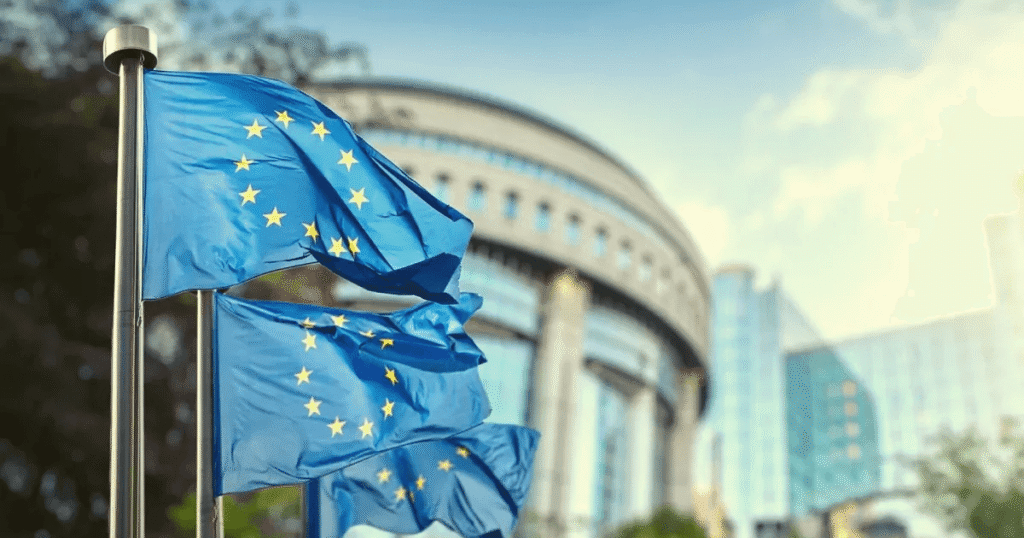
As the European Union (EU) approaches the mid-21st century, it stands at a crucial crossroads, where current decisions will significantly shape its future trajectory. This analysis explores potential paths, focusing on the EU’s role in global dynamics, the unifying potential of climate policies, and its commitment to values-based governance.
### Possible Future Scenarios: Deeper Integration vs. a Looser Union
The EU’s future depends on the balance between deeper integration and a more flexible, looser union. The European Commission’s 2017 White Paper presents five scenarios, from a fully integrated “United States of Europe” to a minimalist approach focusing solely on the Single Market. A more integrated EU could strengthen its global influence through a federal structure, while a looser union might prioritize national sovereignty, risking weaker collective decisions and diminishing global standing.
Differentiated integration—where states cooperate at varying levels—already exists within the EU. Although this model permits flexibility, it also raises concerns about unity and coherence. The challenge lies in reconciling national interests with collective well-being, ensuring the EU remains an effective and cohesive entity.
### Europe’s Role in the World Economy and Global Politics
The EU is a formidable player in the global economy, with its single market and regulatory frameworks impacting international standards. This influence, termed the “Brussels Effect,” highlights the EU’s capacity to shape global norms. However, for the EU to sustain and enhance its economic power, it must tackle internal challenges, including demographic changes, technological advancements, and economic disparities among member states.
Politically, the EU’s strength lies in its “soft power,” characterized by diplomacy, development aid, and human rights promotion. This position as a normative power is crucial, especially given the shifting geopolitical landscape, with the rise of China, a revitalized Russia, and evolving U.S. policies. To maintain its global position, the EU must adopt a more cohesive and assertive foreign policy, bolstering its Common Foreign and Security Policy and enhancing strategic autonomy.
### Climate Policies and Sustainability as a Unifying Force
Climate change represents both a challenge and an opportunity for the EU. The European Green Deal aims to position Europe as the first climate-neutral continent by 2050, setting ambitious targets for emissions reduction and sustainable practices. This agenda not only addresses environmental concerns but also serves as a stimulus for economic growth and innovation.
However, implementing these policies requires navigating the complexities between sustainability goals and economic pressures. Debates surrounding easing vehicle emissions standards and regulatory burdens illustrate the tension between inclusivity and competitiveness. For the EU to maintain momentum on climate initiatives, it must ensure that policies are economically viable and adaptable to the varied needs of its member states.
### Will Europe Become a Global Leader in Values-Based Governance?
The EU’s dedication to democracy, human rights, and the rule of law is central to its identity and influence. Promoting values-based governance demands the integration of ethical principles into policymaking while enhancing transparency, accountability, and citizen engagement. Initiatives such as the European Democracy Action Plan aim to fortify democratic institutions and combat misinformation.
Despite this commitment, the EU grapples with internal challenges like democratic backsliding in certain member states, alongside external pressures from authoritarian regimes. To assert itself as a global leader in values, the EU needs to confront these issues directly, reinforcing its foundational principles and illustrating that democracy and human rights are actionable frameworks rather than mere ideals.
### Conclusion
Whether the EU emerges as a superpower or succumbs to decline will depend on its ability to navigate complex internal and external dynamics. Striving for deeper integration, enhancing economic and political positioning, implementing robust climate policies, and maintaining an unwavering commitment to values-based governance are crucial. By embracing these challenges with unity and purpose, the EU can secure a resilient and influential role on the global stage by 2050.


