
On May 31, a special concert will honor the 50th anniversary of the European Space Agency (ESA) and the 200th birthday of Johann Strauss II. The Vienna Symphony Orchestra will perform Strauss’s famous waltz, “Blue Danube,” while a radio antenna in Spain transmits the music into space, marking an extraordinary celebration of artistic and scientific achievement.
Notably, “Blue Danube” was absent from NASA’s iconic Golden Record, which carried various music pieces and sounds aboard the Voyager 1 and 2 spacecraft launched in 1977. Voyager 1 is recognized as the first human-made object to leave the Solar System, and its journey continues despite challenges faced over the years. The omission of Strauss’s waltz from the Golden Record has been described as a “cosmic mistake” by Norbert Kettner, the director of the Vienna Tourist Board, reflecting on its significance and popularity.
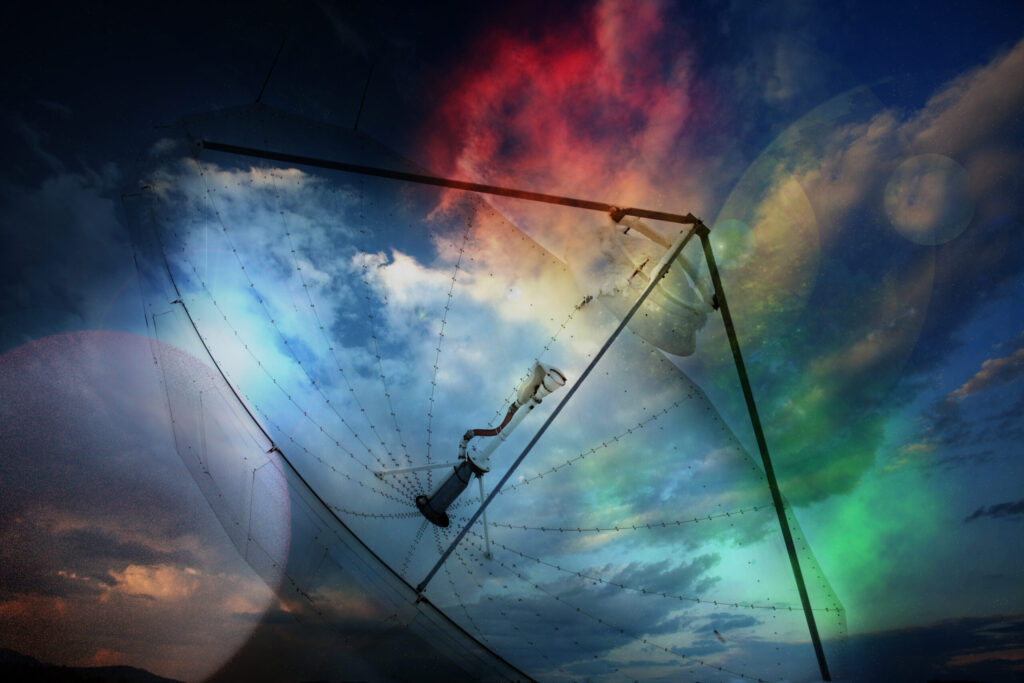
The radio antenna, about 35 meters wide, is operated by ESA and has a history of supporting various space missions, including those aimed at studying Mars and mapping stars. During the concert at 10:30 PM local time, the symphony’s sound will be converted into an electromagnetic wave— inaudible to humans—and transmitted toward Voyager 1, which left the Solar System in 2012.
Josef Aschbacher, director general of ESA, emphasized the ability of current technology to transmit not just scientific data but also human art across vast distances. This transmission into space isn’t unprecedented, as NASA has previously sent music to other celestial bodies. Last year, for instance, a song by Missy Elliott was broadcasted towards Venus, and in 2008, a Beatles song marked NASA’s 50th anniversary in space.
The event celebrates not just advancements in technology and space exploration but also the enduring power of music and art to connect humans across time and space.


