
The content discusses the impact of the economic recession that began in America in October 1929 and how it reached Europe, particularly affecting Switzerland and Romania.
### Economic Impact of the Great Depression
As the recession took hold, businesses collapsed, and living standards plummeted, leading to widespread dissatisfaction among the masses and the rise of extremist political parties. This period of turmoil ultimately set the stage for a new world war.
### Switzerland’s Economic Context
Switzerland lacked agricultural and mineral resources, making it a compelling market for bartering goods. It specialized in high-quality industrial products, creating potential for robust trade with Romania—both countries had complementary needs. In 1933, Romania imported significant quantities of Swiss goods, totaling 3,272 tons, although this was still seen as insufficient by local Romanian business owners.
Despite global market pressures affecting Swiss entrepreneurs, pricing adjustments allowed Romanian clients to access 1,390 tons of machinery, engines, and household appliances.
### Swiss Technology and Trade with Romania
Swiss technology was renowned for its efficiency, utilizing minimal materials to produce “industrial jewelry.” Romania also imported 172 tons of iron—an increase from prior years. However, textile materials remained prohibitively expensive, with 790 tons acquired costing over 91.9 million lei, part of a total import value of 338.2 million lei.
Chemical products and pharmaceuticals had the potential for more significant impact, but only 87 tons were imported. This small quantity highlighted the healthcare struggles in rural areas, where modern medicine was still elusive, even as urban populations began to see improved health outcomes.
### Trade Deficits and Potential
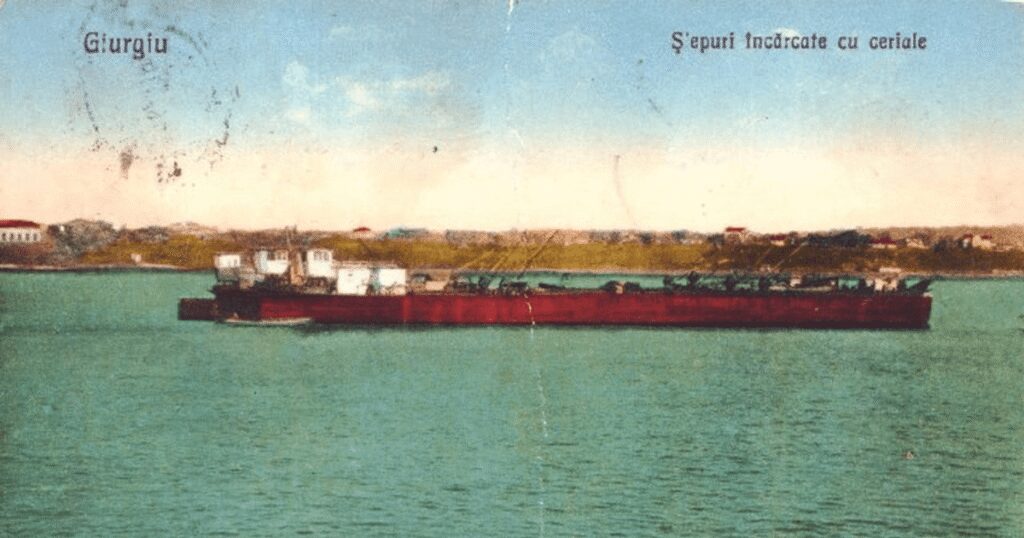
Romania’s imports did not adequately reflect its potential within the Eastern European market. The only significant imports were 34,858 tons of low-value goods like cereals and lumber, resulting in a critical trade deficit with Switzerland. The cereals, primarily 21,593 tons, were sold at prices much lower than what Switzerland could afford, indicating an undervaluation of Romanian resources.
During the interwar period, both countries were just beginning to explore substantial trade exchanges, and their financial dealings remained below optimal levels. While the Great Depression was ongoing, it paradoxically saw an increase in commodity exchanges between the two nations.
### Conclusion
Despite the challenging economic environment, both Switzerland and Romania began to discover the potential for mutual trade. Their transactions were uneven, reflecting larger geopolitical and economic dynamics at play during a tumultuous era in history.


