
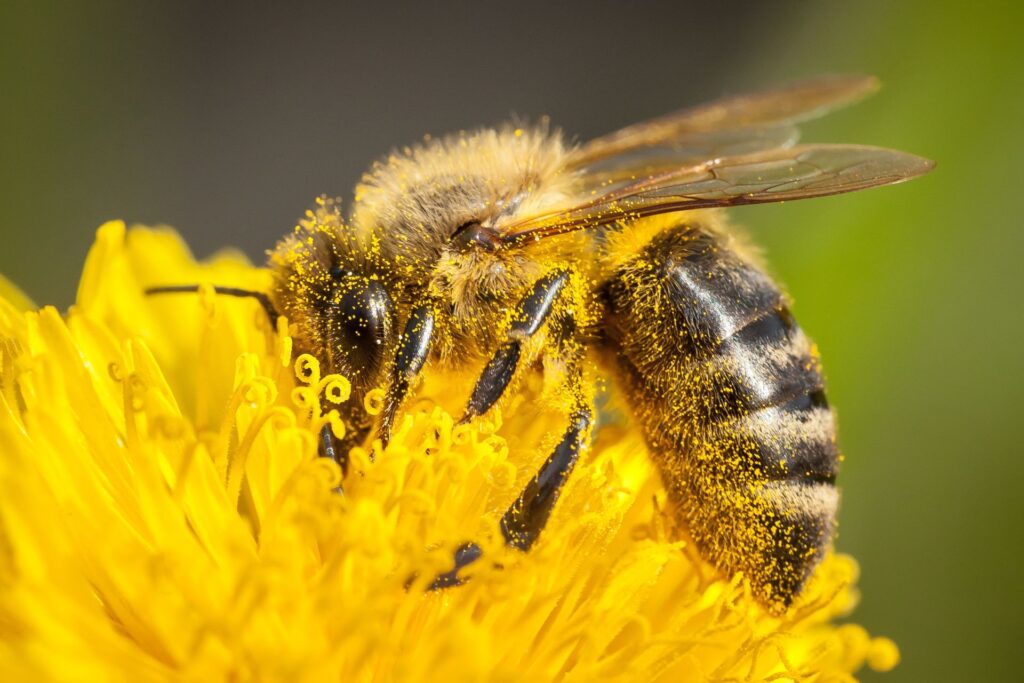
Scientists from the Royal Botanic Gardens in the UK are launching a new study aimed at identifying trees favored by bees to combat the decline of these vital pollinators, as reported by Sky News. Global bee populations are decreasing due to a combination of habitat loss, climate change, and pesticide use. This trend has dire consequences for biodiversity and food production.
Concerns have been raised about the insufficiency of comprehensive studies needed to fully understand and address this issue. Researcher Janine Griffiths-Lee emphasized the importance of pollinators, noting that nearly 90% of flowering plants rely on them. Alarmingly, the population of flying insects in the UK has plummeted by about 60% over the past two decades.
To gather data, researchers at Kew Gardens have installed advanced bioacoustic sensors in select trees. These sensors will record the buzzing sound produced by bees’ wingbeats, allowing researchers to create thermal maps of the most popular locations for bees. This information is intended to aid urban planners in choosing which trees to plant in newly developed areas, ultimately supporting the declining bee populations.
The study is part of a broader effort to understand the complex interactions within ecosystems and find effective solutions to preserve essential pollinators.


