
The history of humanity is rife with dark periods, where peace and prosperity are rare exceptions to the rule. Among these dismal epochs, 536 AD stands out as a significant turning point, marking the onset of a grim chapter characterized not just by wars and diseases, but by a catastrophic volcanic eruption that shrouded the world in ash and darkness.
### The Catastrophe of 536
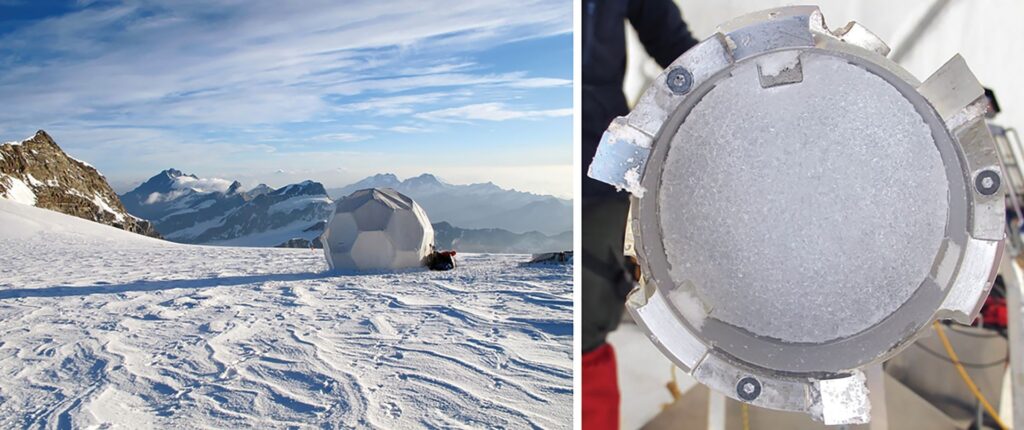
While the exact volcano responsible remains unknown, early theories pointed to Ilopango in El Salvador. However, recent studies suggest an Icelandic volcano might be to blame, as ice core samples in Europe contained volcanic glass fragments similar to those found elsewhere. This phenomenon, dubbed “volcanic winter,” may have resulted from a series of eruptions between 536 and 540 AD.
### Effects on the Environment and Society
The impact of the eruption was devastating. Historical accounts from figures such as Roman politician Cassiodorus describe a sky devoid of sunlight, with a bluish hue replacing the sun’s usual brightness. Byzantine historian Procopius referred to a continuous solar eclipse. Scientifically, evidence supports these narratives: tree ring data from Denmark indicates stunted growth during this period, while ice core analyses reveal an extensive presence of acidic dust in the atmosphere.
Amid these environmental changes, temperatures in the Northern Hemisphere plummeted, leading to agricultural collapse. This event is believed to have initiated the Late Antique Little Ice Age, which was intensified by subsequent eruptions in 540 and 547 AD. During this time, summer temperatures dropped significantly worldwide, causing unusual snowfalls in China and droughts in South America, contributing to widespread panic across the Middle East.
### Widespread Famine and Plague
As agricultural failures mounted, famine and suffering ensued. Irish annals mention “bread shortages in the year 536,” while the bubonic plague emerged in Egypt’s Pelusium port. Remarkably, scant direct written records exist from this period, yet it is widely acknowledged that 536 AD marked a dark age, particularly in Europe and Asia. Historian Michael McCormick indicates that this year likely represented one of the worst times in history.
### The Aftermath: The Plague of Justinian and Decline of Empires
Within five years of entering the Little Ice Age, the Justinian Plague erupted across the Mediterranean basin, decimating populations, especially in Constantinople, the capital of the Eastern Roman Empire. This catastrophic combination of climatic disaster and pandemic significantly contributed to the decline of the Byzantine Empire, even though its complete fall occurred much later and was caused by multiple factors.
The consequences of these events also spread beyond the Mediterranean. In Central Asia, the harsh, cold conditions forced nomadic tribes to migrate eastward towards China. This movement led to conflicts with the local authorities in the steppes but also resulted in unexpected alliances, with some tribes later partnering with the Byzantine Empire, contributing to the downfall of the Sasanian Empire in Persia.
Interestingly, while empires weakened, the Arabian Peninsula experienced increased rainfall. As older powers faded, the Middle East became the backdrop for the rise of a new force: the Arab Empire. By the seventh century, this civilization emerged as one of the most influential and expansive in history.
### Conclusion
The period beginning in 536 AD exemplifies how environmental catastrophes combined with social and political turmoil can alter the course of history. The volcanic eruptions not only caused climatic changes that led to famine but also set off a chain of migrations and conflicts that played significant roles in reshaping empires. From the rise of the Arab empire to the decline of Byzantine power, the events of this era demonstrate the intricate interplay between nature and human society throughout history.


