
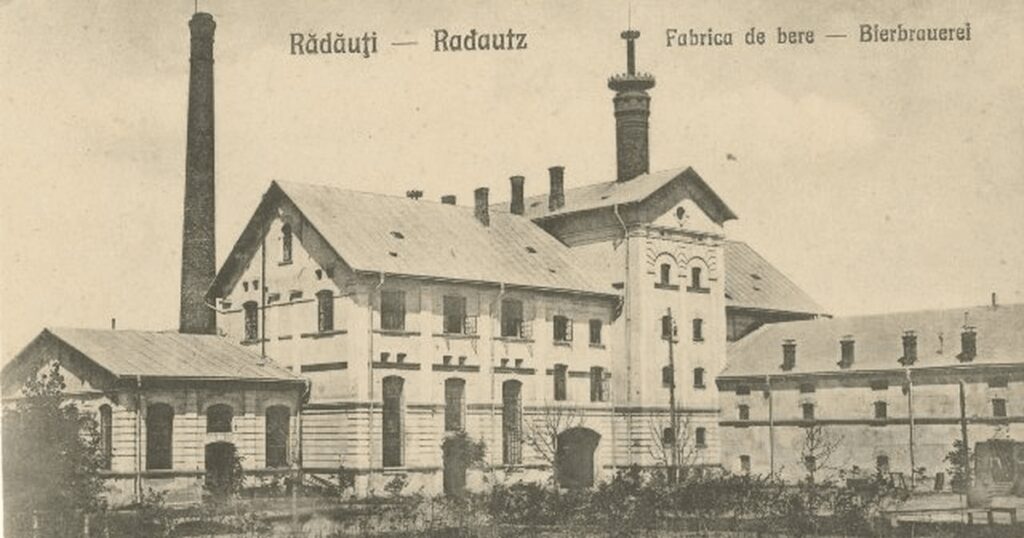
Summary of the 1940 Statistical Yearbook
The 1940 Statistical Yearbook presents detailed data collected from the year 1930, aiming to reflect the development level of Romania one decade after the Great Union. The focus of the research was to assess progress across various sectors, with a special emphasis on the economy.
Economic Progress
Significant economic advancements were noted, particularly the establishment of numerous firms. This surge in enterprise extended even to the remote region of Bukovina, known for its picturesque landscapes and abundant resources. The census revealed a total of 7,764 industrial firms, with 59.9% established post-1919. The burgeoning economy provided employment and income for 31,566 individuals, including workers, artisans, and business owners, of whom 399 were foreigners. Romania was perceived as an "El Dorado" for those seeking work or investment opportunities.
Industrial Development
The industrial sector began transitioning beyond traditional craftsmanship, witnessing the emergence of production capacities surpassing 500 employees. Notably, one metallurgical plant employed 659 workers, showcasing that the desire for developed heavy industry extended beyond communist ambitions. Additionally, there were 20 factories with 101 to 200 employees, alongside 15 factories housing 201 to 500 workers. The metallurgical industry alone featured three centers employing over 101 workers.
Wood and Food Industry Dynamics
The region’s exceptional potential was harnessed through the wood industry, which employed 9,098 workers. Eight firms fell into the category of employing over 201 individuals, with logging operations intensively conducted to meet both domestic consumption and export demands. Meanwhile, the food industry required 7,288 workers to produce goods sourced from agriculture and livestock. As cities experienced robust growth, the need for substantial quantities of durable food products rose. Three food factories employed over 501 individuals, contributing to the overall workforce of 2,395.
Technological Integration
Despite the growing labor force, additional machinery became necessary, featuring a total installed power of 39,020 horsepower, predominantly within the food industry, which alone accounted for 14,113 horsepower. Electric power and water supply systems followed closely behind with 11,619 horsepower, indicating a shift towards mechanization and modernization.
Impact of Soviet Invasion
Following the positive developments up to 1930, Bukovina’s progress faced a sudden setback due to the Soviet invasion in June 1940. This event marked the beginning of an ideological hell instigated by Joseph Stalin, who eradicated private property in a bid to implement the utopian regime outlined in Marxist and Leninist literature. An attempt was made to erase historical ties to Romania and capitalism, resulting in negative consequences for the inhabitants of Bukovina and the Hertsa region.
Conclusion
The statistical insights from the 1940 yearbook underscore the considerable advancements in Romania’s economic and industrial landscape during the 1930s, particularly in Bukovina. However, these strides were tragically undermined by the geopolitical disruptions instigated by the Soviet regime, leading to the destruction of property rights and historical context for the region.


