
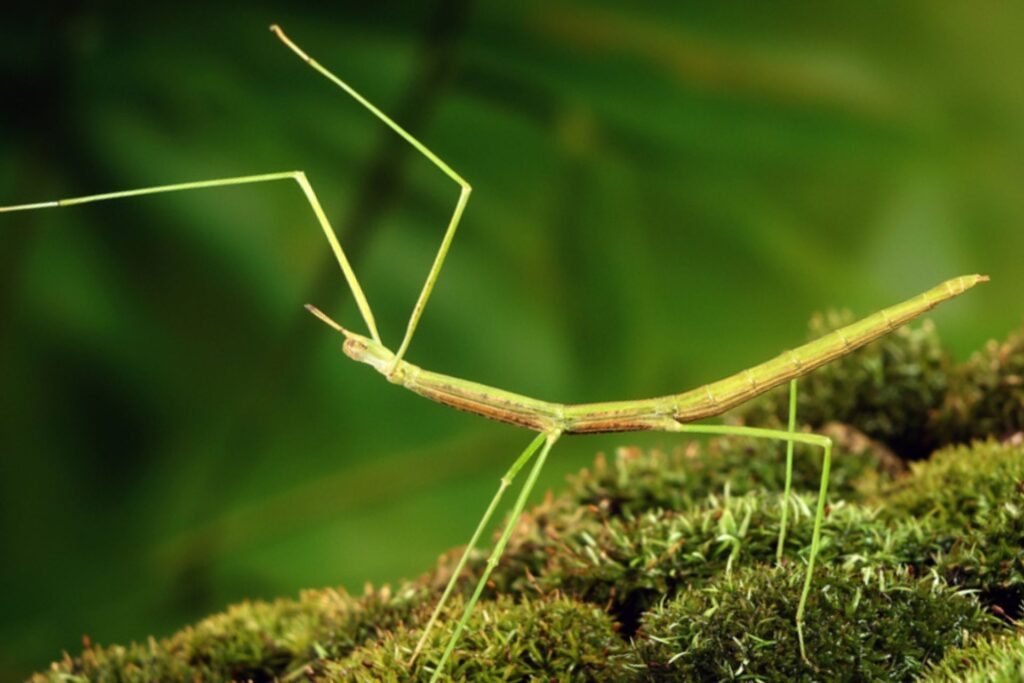
Decline in Insect Populations Linked to Agriculture and Other Factors
Insect populations are rapidly declining worldwide, primarily attributed to intensified agriculture. However, a recent study from Binghamton University highlights that multiple interconnected factors contribute to this alarming trend. The scientific interest in insect decline has surged, especially following a 2017 study indicating a 75% drop in insect populations over three decades.
Research Overview
To grasp the scientific community’s perspectives, researchers analyzed over 175 studies encompassing more than 500 hypotheses regarding insect decline. From this analysis, they constructed a comprehensive network of approximately 3,000 possible connections, covering various issues from beekeeping to urban expansion.
Christopher Halsch, a postdoctoral researcher and lead author of the study, emphasized the importance of synthesizing existing literature instead of gathering opinions from numerous scientists. The aim was to extract perceived causal pathways, such as how agriculture leads to pollution, subsequently decreasing insect populations.
Major Findings
The analysis determined that the primary factor contributing to the decline in insect populations is agricultural intensification. This includes changes in land use and the application of insecticides. However, the interplay among various factors complicates a simple hierarchy of causes. For example, climate is a key driver, but it encompasses sub-factors like extreme precipitation, wildfires, and high temperatures, which can all influence other factors.
Additionally, many potential threats to insect populations are overlooked. The International Union for Conservation of Nature (IUCN) has compiled a list of threats to insects, yet much of this information is absent from recent literature on insect decline.
Underexplored Areas
Eliza Grames, a biology lecturer involved in recent butterfly population studies, pointed out that natural disasters, human incursions, warfare, and the impacts of railroads on insects have not been adequately studied. Largely ignored are entire fields that pose recognized threats to biodiversity but are absent in insect research.
Moreover, there’s a noticeable bias within scientific literature—most studies focus on "charismatic" and "popular" insects like bees and butterflies, which only represent a small fraction of total insect biodiversity. As Grames explains, while bees are crucial for agriculture, this focus restricts the identification of conservation actions beneficial for other insect species.
The Vicious Cycle of Research Funding
The emphasis placed on pollinators such as bees perpetuates a cycle where funding is disproportionately directed towards their research. This narrow focus diminishes opportunities to learn about and conserve a broader array of insects. Researchers warn that conservation efforts centered excessively on specific species could have detrimental effects on many other insect populations.
Halsch commented on the risks associated with focusing solely on saving bees and butterflies, cautioning that this approach neglects the majority of insect species, especially the most numerous.
A Call for Comprehensive Conservation Strategies
The authors advocate for a multifaceted approach to insect conservation that addresses entire systems rather than singular causes. They stress that conservation actions overly concentrated on select species or stress factors risk negatively impacting many insects.
In summary, the study published in BioScience illuminates the complexities of insect decline, advocating for integrated conservation measures that encompass a wider range of species and factors. Recognizing the intricate relationships between various ecological elements is crucial for maintaining insect biodiversity, which is essential for healthy ecosystems and agricultural productivity.
This summary condenses the primary points and findings from the original content, emphasizing the interconnected factors contributing to insect decline while advocating for a comprehensive conservation approach.


