
The content explores the manipulation of humanity through fear and hatred by both religious sects and political entities, particularly in the context of communist regimes. It emphasizes the experience of the Romanian populace, who often romanticize the communist era as one of state-supported living from birth to death. This perception is rooted in a historical context where the state controlled all aspects of life, leading many, especially urban dwellers, to idealize the pre-1989 system.
An illustrative case is that of Victor Suvorov, a former Soviet military intelligence officer whose defection allowed him to expose the realities behind the Iron Curtain. Suvorov argued that Stalin’s regime, founded on Marxist-Leninist ideologies, was fundamentally anti-human, prioritizing a bureaucratic party over the welfare of the masses. His writings challenge historical myths of the 20th century, revealing the absurdity and sometimes catastrophic nature of political decisions made under Stalin and his successors.
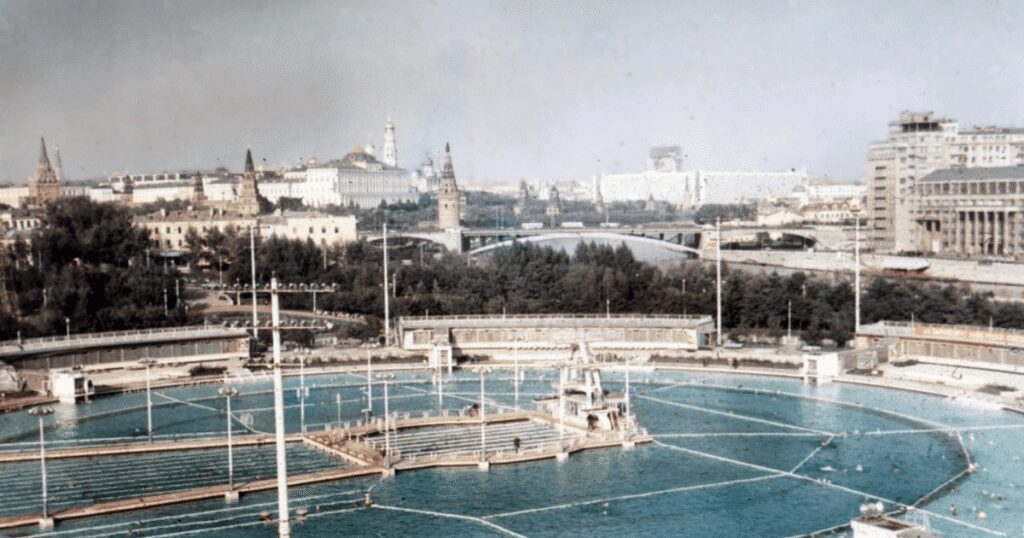
One striking example he mentions involves Nikita Khrushchev’s decision to construct an expansive outdoor swimming pool in Moscow, intended to mask the ruins of Stalin’s grandiose Palace of the Soviets, a monument to communist aspirations that never came to fruition due to lack of funds. This project, while meant to provide leisure, symbolized the impracticality and absurdity of state expenditures—a fact often overlooked in the romanticized narratives of the past.
These investments, along with various utopian projects, drained resources from the economies of communist states, ultimately leading to financial ruin. This mismanagement forced regimes to rely on Western loans and implement harsh measures against their own people, who remained largely unaware of the broader global conflicts fueled by communist ambitions.
The text also underscores the disastrous impact of centrally planned economies, particularly in the realm of military expansion at the expense of societal welfare. It suggests that the Second World War served as only a visible facet of a larger ideological struggle for global jostling for power and resources under the guise of equality.
Throughout, the overarching theme emphasizes the illusory nature of the supposed benefits provided by state socialism, questioning the true legacy of totalitarian regimes and their lasting impact on societal beliefs and individual freedoms.


