
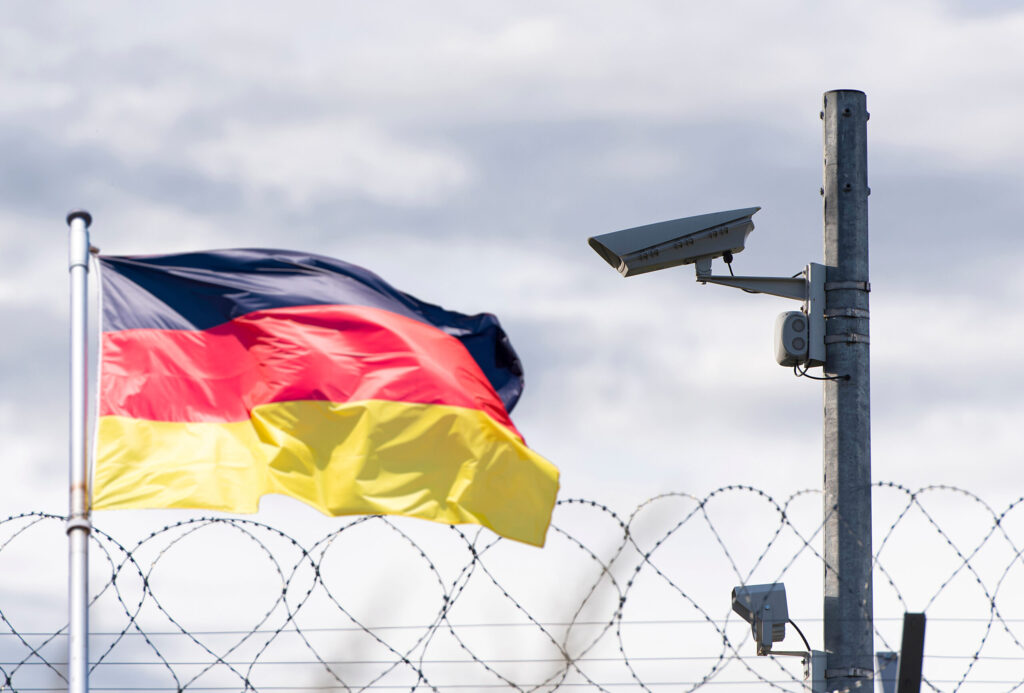
On the first day of the new German government’s operation, Interior Minister Alexander Dobrindt announced a significant policy shift regarding undocumented migrants at the borders. This decision comes within the context of a coalition government led by Chancellor Friedrich Merz and aims to address ongoing concerns over illegal immigration.
Dobrindt stated that the new directive would involve rejecting all undocumented migrants, including those seeking asylum. This move reverses a 2015 recommendation that allowed individuals from third countries to enter Germany under certain conditions. The decision is portrayed as a necessary measure to combat the high levels of illegal migration, which the minister believes are still unacceptably high.
Legally, the rejection of asylum seekers has sparked controversy. The coalition agreement between Merz’s conservative party and the Social Democrats emphasizes that these actions should coordinate with neighboring countries. This creates a complex web of required cooperation that could impact implementation.
To bolster border security efforts, Dobrindt plans to deploy an additional 3,000 officers, increasing the total number of border police to 14,000. This increase is intended to enhance the efforts to control illegal migration, which has been a significant issue in recent political discourse, particularly following violent crimes linked to migrants.
During the federal elections scheduled for February, Merz campaigned on a platform of strict immigration control, promising decisive action in response to these societal issues. The coalition members have collectively committed to a series of measures aimed at tightening immigration policies, including rejecting asylum claims at the border, facilitating deportations back to conflict-affected countries like Syria, and suspending family reunification processes for migrants.
The overarching aim of these policies seems to indicate a shift toward a more restrictive immigration stance in Germany, reflecting a growing concern over public safety and societal integration.


