
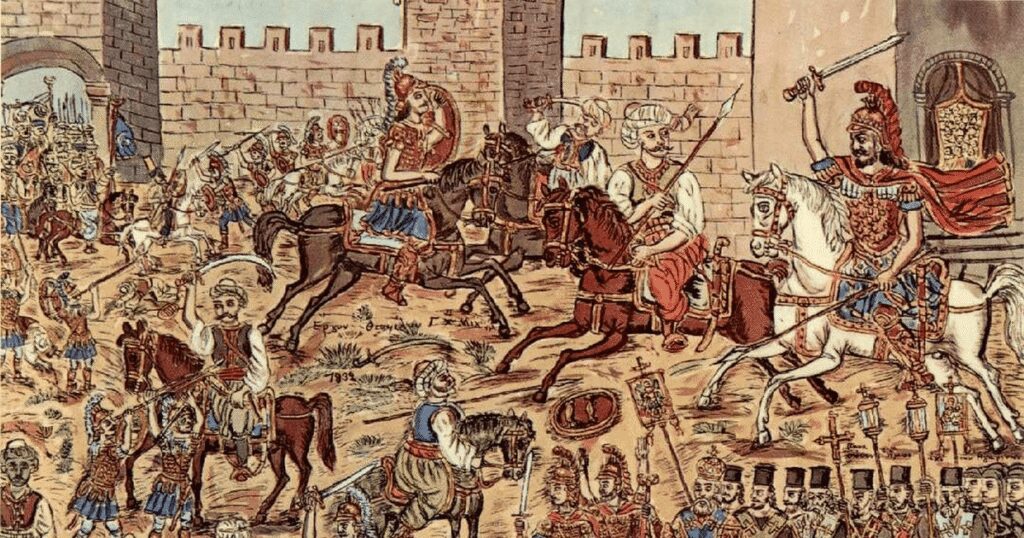
In “Tînărul Ioannis” by Mika Waltari, the narrative culminates in the prelude to the Fall of Constantinople, focusing on the young protagonist, Ioannis, previously introduced in “Amanții din Bizanț”. The story is set against the historical backdrop of Byzantine Emperor John VIII Palaiologos’s desperate quest for Western military support against the advancing Ottoman threat.
The book delves into the significant tensions surrounding the union of the Eastern Orthodox Church and the Catholic Church. Influenced by fervent Orthodox figures like Markos Eugenikos, the Eastern Church staunchly resisted union, suspecting that the Vatican aimed to dominate the Eastern Orthodox Church rather than pursue genuine religious unity. The backdrop of these events includes the diminishing influence of the papacy, notably highlighted during the Council of Constance (1414-1418), which challenged papal supremacy.
Waltari paints a vivid picture of the Vatican’s ambitions during the Council of Ferrara-Florence, where the genuine intentions of the Pope were to exert control over the Eastern Church. The Byzantine Emperor, in a misguided effort to rally support against the Turks, made significant concessions to the Pope, leading to a ceremonial act of submission that included kissing the Pope’s hand—a pivotal moment underscoring the vulnerability of Byzantium.
The outcomes of these political maneuvers were disastrous. The expected Western assistance failed to materialize, illustrated by the catastrophic defeat of the Crusaders at Varna. Following this setback, John VIII died shortly after learning of the fall of his ally, John Hunyadi’s forces at Kosovo. His brother, Constantine XI, inherited a crumbling empire, facing inevitable defeat as Constantinople fell in May 1453—a tragedy in part attributed to the divisions precipitated by the union attempts.
Historically, some Greek patriarchs expressed the sentiment that they preferred the Ottoman tribute over papal dominance. This choice illustrated a stark understanding: while the Ottomans sought control over land, the Vatican pursued a more insidious spiritual conquest, demanding allegiance from Christian practices.
Waltari effectively utilizes the character of Ioannis to explore these complex themes, forcing him into the tumult of ecclesiastical councils and military confrontations. The protagonist’s journey through these political machinations illuminates the struggles within Christianity at that time, accompanied by personal experiences and existential reflections.
Of particular note is Ioannis’s portrayal in romantic interludes, which serve as a respite from the grim circumstances surrounding him. Celebrated for his seductive prowess, he remains undeterred by the implications of his encounters, including a notable liaison with the Duke of Ferrara’s daughter. These romantic escapades, woven into the narrative, provide a humanizing and compelling contrast to the overarching historical conflicts, highlighting personal desires amidst societal upheaval.
In conclusion, “Tînărul Ioannis” encapsulates the poignant historical moment leading to the fall of Constantinople, intertwining themes of power, religion, and individual struggle while portraying the devastating futility of political alliances in the face of inevitable decline. Waltari’s complex characters navigate the turbulent waters of conflict as they contend with both external threats and inner tumult, creating a rich tapestry of human experience set against one of history’s pivotal events.


