
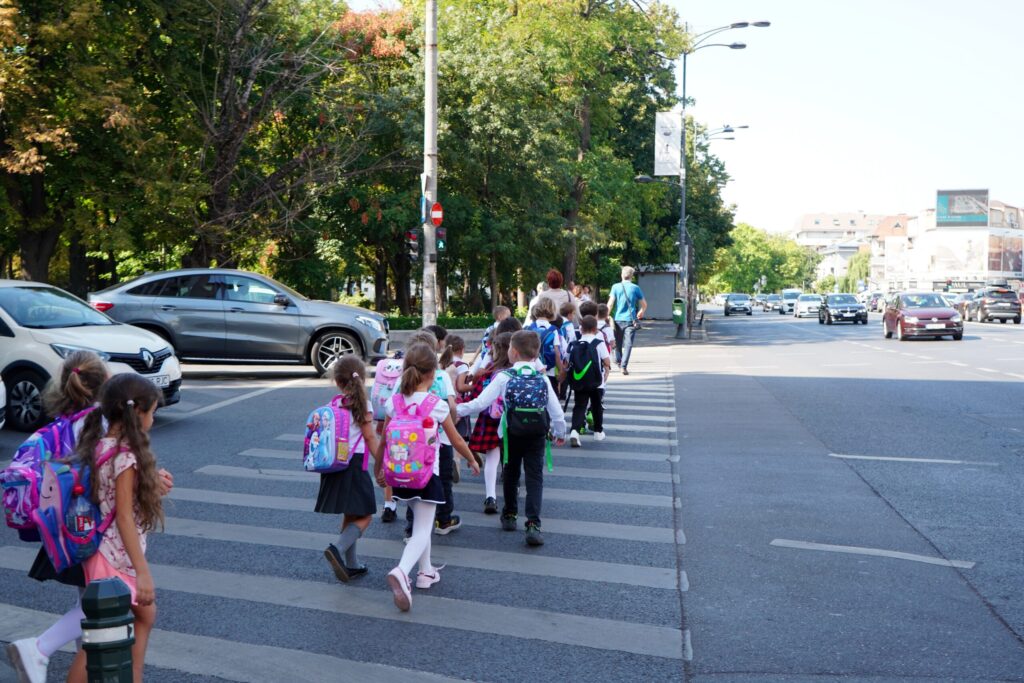
According to a recent OECD report, nearly 40% of students in Romania fail to meet basic competency levels in reading and science, while 50% struggle in mathematics. This educational shortfall has resulted in a high dropout rate, with approximately one in four students leaving school before graduating high school.
To address these challenges, recent reforms have aimed to invest significantly in enhancing student learning and reducing dropout rates. The Romanian government has implemented measures to strengthen initial teacher training and professional development, particularly through mentorship and collaboration. Efforts are also underway to align post-secondary and adult education with the needs of learners and the labor market, including plans to introduce short-cycle tertiary programs and dual professional bachelor degrees that combine classroom learning with workplace experience.
However, disparities between urban and rural education persist. Students in rural areas have less access to preschool education, are more likely to drop out of school, and are significantly underrepresented in higher education. Additionally, adults in rural regions are less likely to participate in vocational training, with attendance rates being less than half compared to their urban counterparts. The Roma community remains the most marginalized group, showing high dropout rates and low participation across all educational levels.
The report acknowledges Romania’s reform efforts, highlighting initiatives that bolster teacher training through mentorship, adapt vocational education to market needs, and incorporate dual programs that merge theory with practice. The OECD recommends that Romania prioritize the introduction of mentorship in rural schools, strengthen school leadership, and develop a clear national vision for new professional qualifications. Furthermore, it suggests reallocating funding towards preschool and primary education and improving inter-ministerial collaboration.
In summary, while Romania has taken significant steps to reform its educational landscape, persistent challenges such as rural disparities and marginalized groups must be addressed to ensure equitable access to quality education for all students.


