
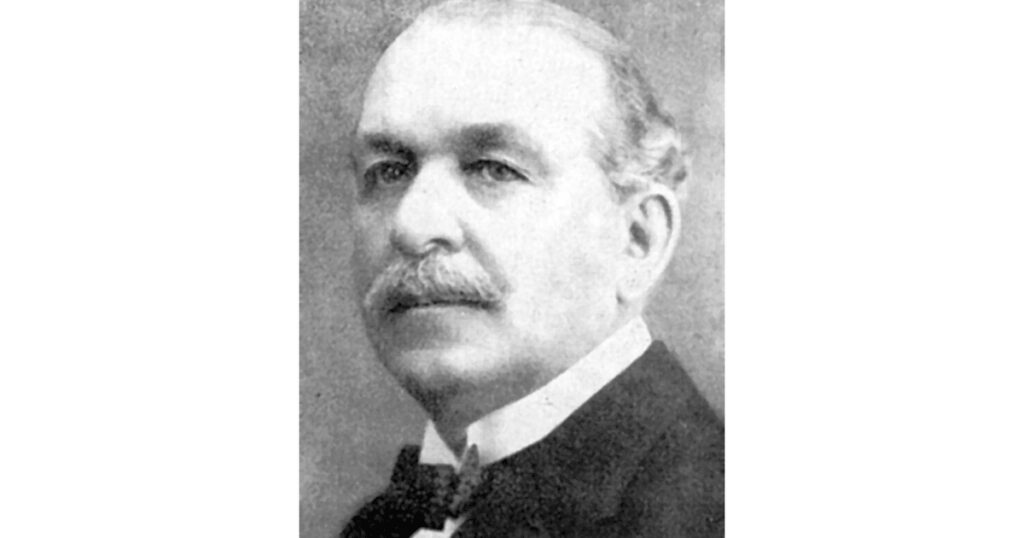
The text discusses the author’s experience of purchasing a brochure titled “Jos laba de pe tricolor” by Victor Eftimiu. It is a critical piece concerning Stelian Popescu, who was an influential journalist and director of the newspaper “Universul.” The author reflects on the high price they paid for the brochure, which is significantly more than the cost of a new book, hinting that such a purchase is quite uncommon and likely to be of little interest to others.
The author notes their insomnia, which prompts them to read the brochure late into the night. Through their reading, they come across references to another piece that critiques Popescu, reinforcing the contentious perspective regarding his character and written works. Eftimiu’s writing incorporates passages with a violent rhetoric that illustrate the heated public sentiment toward Popescu, labeling him as a detrimental figure in journalism.
The text excerpts powerful critiques and accusations against Popescu, describing him in demeaning terms—including as a product of a “wet and compromised” environment, reflecting the supposed mediocrity and sham behind his perceived success. The author portrays Popescu’s various professions as lacking merit, characterizing him as a “simple takist,” an ineffectual politician, and a “moron” in journalism, each describing his failure to excel in any of his roles and emphasizing a life devoid of true accomplishments.
The brochure paints a vivid image of Popescu’s physicality and demeanor, portraying him as someone with a “banal and faded” appearance akin to a derelict. The language is deliberately harsh and laden with disdain, pointing to his perceived moral failures and the negative impact he had on the people around him. The imagery used conveys a strong sense of revulsion, as Popescu is depicted as someone perpetually embroiled in scandals and unworthy of esteem.
Ultimately, the discussion serves as both an exploration of Eftimiu’s critique and a personal reflection on the author’s engagement with contentious issues in Romanian journalism. It reveals an atmosphere of animosity and tumult surrounding figures like Popescu in historical context, showcasing the intense passion and severity of journalistic rivalry during the time. As such, the text acts as a microcosm of larger societal tensions, revealing how influential journalists can be viewed with disdain when perceived to embody mediocrity or moral decay.


