
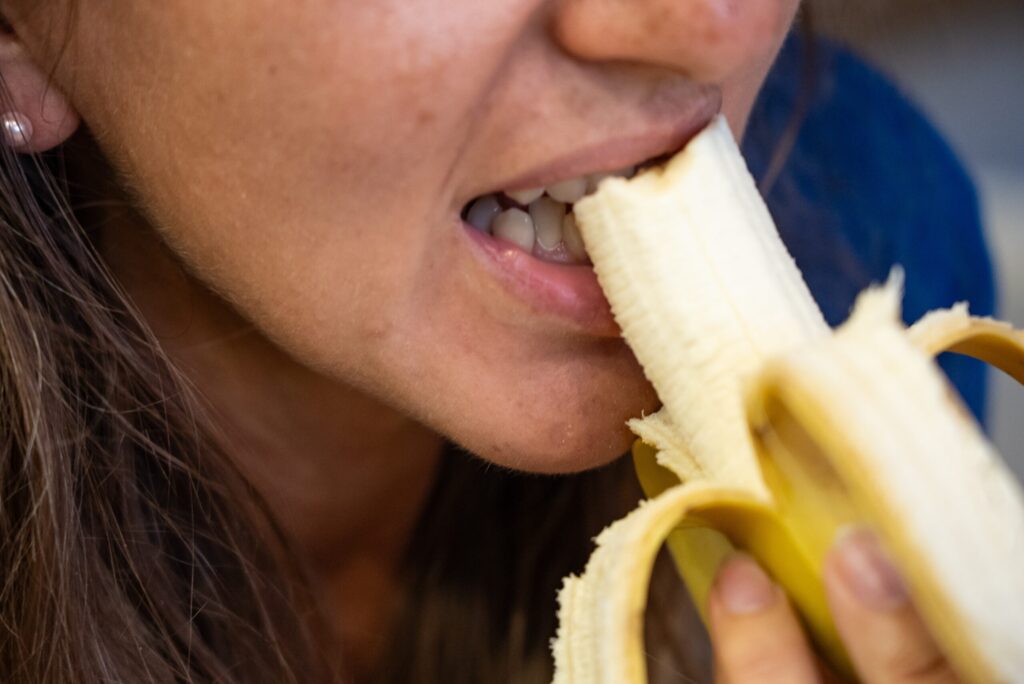
Recent research from the University of Waterloo in Canada has demonstrated that increasing daily potassium intake while reducing sodium consumption can significantly help lower blood pressure. Melissa Stat, the lead author of the study, suggests that our ancestors consumed a diet rich in fruits and vegetables, which may have influenced our biological regulation systems to function optimally with high potassium and low sodium levels.
Modern Western diets tend to be higher in sodium and lower in potassium, which contributes to the prevalence of hypertension, particularly in industrialized societies. Previous studies have shown that potassium effectively regulates blood pressure; however, the Waterloo team has refined this notion by developing a mathematical model that illustrates the influence of the potassium-sodium ratio on the body.
Both potassium and sodium are essential minerals for vital functions such as muscle contraction and water regulation among other processes. The researchers investigated the balance between these two minerals, noting the known health benefits of reducing salt intake, including lowering blood pressure. Hypertension affects over 30% of adults worldwide and is recognized as a primary cause of coronary artery disease and stroke, along with potential complications like chronic kidney disease, heart failure, arrhythmia, and even dementia.
The mechanisms by which potassium and sodium affect blood pressure involve complex interactions among renal function, fluid volume, regulatory hormones, blood vessels, cardiovascular function, and the autonomic nervous system. Interestingly, gender also plays a role in these mechanisms, as differences in kidney function exist between men and women.
To account for these variations, the University of Waterloo created gender-specific models designed to guide preventive practices appropriately. These models consider interactions among renal, cardiovascular, gastrointestinal, endocrine, and sympathetic nervous systems. Collectively, this intricate network of mechanisms helps maintain electrolyte and fluid homeostasis, regulates blood pressure, and responds to disruptions.
The study reveals that men are generally more susceptible to hypertension than premenopausal women, though they appear to respond better to increases in the potassium-sodium ratio. This suggests that men could gain additional health benefits by incorporating more potassium-rich foods, such as bananas, in their diets, while women should focus primarily on reducing their sodium intake.
However, the new research indicates that simply adding potassium-rich foods to the diet, like bananas and broccoli, could have a more beneficial impact on blood pressure than merely reducing salt consumption. Various other foods rich in potassium include apricots, dried fruits, avocados, apples, oranges, spinach, kale, tomatoes, cucumbers, sweet potatoes, coconut, and of course, bananas.
These findings, published in the journal Renal Physiology, underscore the importance of dietary modifications in managing hypertension and promote a more holistic approach to cardiovascular health through the careful balance of potassium and sodium intake.


