
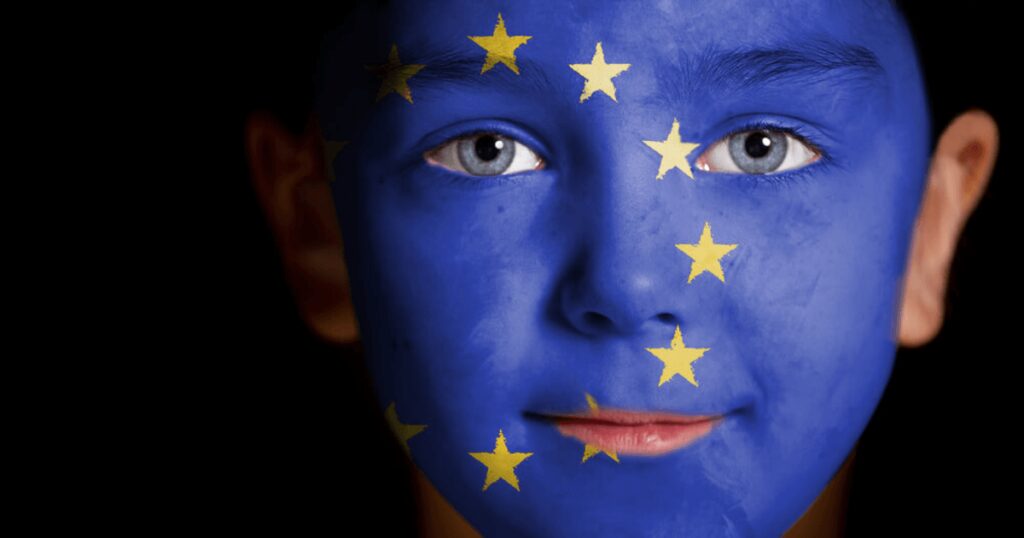
The question of identity looms large in contemporary European life, posing a complex inquiry into what it means to be part of Europe amidst rising nationalism. The European Union (EU) stands as a bold experiment in unifying diverse nations, yet as national identities surge, the balance between local heritage and a shared European future is increasingly challenged.
A recent Eurobarometer survey highlights this tension: while many EU citizens take pride in their European identity, the more profound connection often lies with their individual nations. For instance, being French or Finnish prevails over being European, demonstrating how deeply ingrained cultural, linguistic, and historical roots shape personal identities. This dynamic creates friction, evidenced by nations like Poland and Hungary resisting EU directives on judicial independence and migration, and Italy’s experimenting with populist politics, reflecting a growing discomfort with ceding national sovereignty to a broader European framework.
Another pivotal source of tension is the difference in worldviews between Europe and the United States. American national identity is largely characterized by a narrative of individualism and a unifying constitution, promoting a melting pot conception of unity. Meanwhile, Europe is a mosaic of ancient cultures, rich in distinct languages and traditions, where there is a greater emphasis on preserving local identity. This ideological divide complicates the quest for a coherent European identity, as Europe grapples with the challenge of uniting its diversity without erasing it.
The resurgence of nationalist rhetoric, once deemed a relic of the past in post-war Europe, has gained momentum with figures like Marine Le Pen and Viktor Orbán advocating for a “Europe of Nations” instead of a unified state. The reality of Brexit has transformed perceptions about national identity within Europe, with sentiments of Euroscepticism now more mainstream. The underlying motivations are varied, encompassing economic concerns, migration, and desires for cultural preservation. Many citizens experience the EU as distant and disconnected from the specificities of daily national life.
Interestingly, a paradox emerges: many individuals who passionately advocate for strong local identities also support the European project. For instance, pro-independence movements in Scotland often align with pro-EU sentiments, and Bavaria takes pride in its unique cultural heritage while simultaneously identifying as a robust part of Germany and Europe. This suggests that national and European identities can complement and enrich one another rather than exist in opposition.
European Union initiatives, such as the Erasmus+ program and cross-border infrastructure investments, have fostered local pride while enhancing European belonging. Young people benefit from educational exchanges and engagement with different cultures, leading to a stronger sense of European identity that remains connected to their local roots.
The significance of youth in this identity debate is profound. Today’s generation, growing up in a world of open borders, exhibits a cosmopolitan and interconnected outlook. They engage with diverse cultures and languages, influenced by educational programs that promote EU history and civic involvement, thereby cultivating a multifaceted identity. However, challenges such as high youth unemployment, disenfranchisement, and the impact of digital echo chambers pose risks to this more optimistic vision of identity.
Looking ahead, the coexistence of national and European identities may hinge on reframing what identity means in the modern age. Rather than approaching it as a binary choice, one can conceptualize identity as a series of concentric circles: individuals can be connected to their town, region, country, and continent simultaneously. The EU’s future will depend on respect for these multiple layers of identity—balancing empowerment with preservation.
Navigating issues such as climate change, geopolitical tensions, and technological advancements will test the strength of both national and collective identities across Europe. The central challenge lies not merely in whether these identities can coexist, but in understanding the necessity of this coexistence for Europe’s success in a rapidly changing world. Embracing the complexity of identity may facilitate a more nuanced and resilient European project that acknowledges the value of both local and continental belonging.


