
The text discusses the timeless collaboration between classic writers and contemporary filmmakers, highlighting how adaptations of literary works can create enduring cinematic masterpieces enjoyed by generations.
A notable example is “Doctor Zhivago,” a two-part miniseries directed by Giacomo Campiotti and based on Boris Pasternak’s novel published in 1957. This adaptation effectively conveys the dramatic essence of Russian literature and features prominent actors such as Keira Knightley, Hans Matheson, and Sam Neill. Despite being nominated for three BAFTA awards for Best Director, Best Drama Serial, and Best Costume Design, the series went unrecognized in terms of major awards.
Giacomo Campiotti, born on July 8, 1957, in Varese, Italy, is recognized for his contributions to contemporary Italian cinema. He initially pursued pedagogy before diving into theater, becoming an assistant to famed director Mario Monicelli. His directorial debut, “Corsa di primavera” (1989), won accolades at the Venice Film Festival. Other notable works include “Come due coccodrilli” (1994) and the successful miniseries “Giuseppe Moscati – The love that heals” (2007).
“Doctor Zhivago” is set against the backdrop of the Russian Revolution and World War I, focusing on Yuri Zhivago, a physician and poet. The narrative intricately explores his relationships with his wife Tonya and his mistress Lara. The novel was controversial in the USSR due to Pasternak’s critique of the October Revolution, leading to his exile from literary spheres despite winning the Nobel Prize in Literature in 1958.
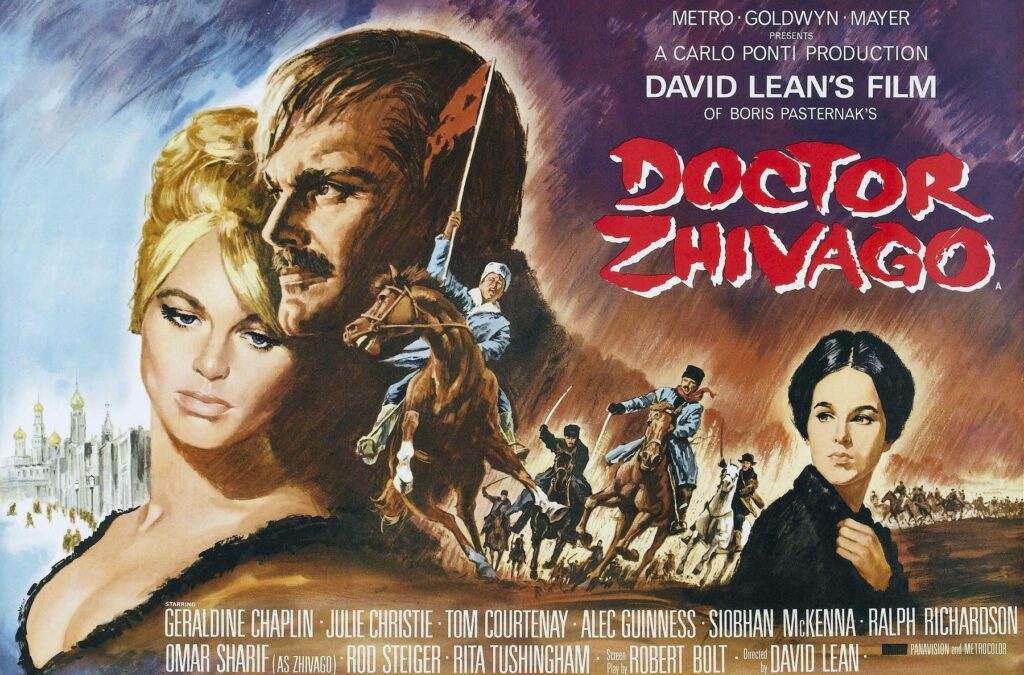
The novel was previously adapted into a successful film in 1965 by David Lean, featuring Omar Sharif and Julie Christie. Although it faced mixed reviews regarding its length and historical depictions, it garnered ten Oscar nominations, winning five, including Best Adapted Screenplay and Best Original Score.
In summary, the intersection of literature and film showcases the power of storytelling, transcending time and cultural barriers through artistic adaptation. The timeless themes of love, conflict, and identity within “Doctor Zhivago” resonate deeply, making it a seminal work in both literary and cinematic contexts.


