
In May, Poland and Romania will hold crucial presidential elections that are pivotal for regional stability and European security, especially in the context of rising nationalist and sovereignist movements amid the ongoing war in Ukraine. Both nations share strategic interests and play significant roles in supporting Ukraine while ensuring security in sensitive geopolitical areas—Poland along the Baltic Sea and Romania along the Black Sea.
Poland is escalating its military preparedness with defense spending projected at 4.7% of its GDP, while Romania is planning to allocate 2.5% for defense this year. These countries are also the largest economies in Central and Eastern Europe, having seen significant growth that aligns their purchasing power parity GDP levels at about 80% of the European average, according to European Commission data.
The election timelines overlap on May 18, when Romania will conduct its presidential runoff, coinciding with Poland’s first election round. Poland’s final vote is scheduled for June 1. The presidential roles in both nations are similar; while not involved in daily government operations, their powers as heads of state and armed forces commanders place them in critical positions concerning foreign policy and defense. Each president serves a five-year term.
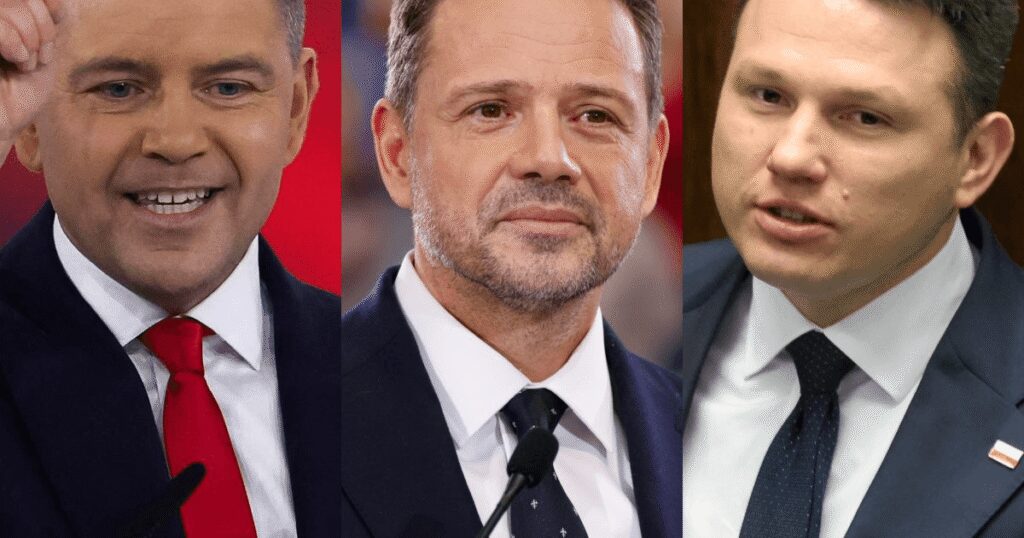
In Poland, 13 candidates have registered, but the contest will likely focus on three contenders based on current polls. The leading candidate is Rafal Trzaskowski, the current mayor of Warsaw and representative of the Civic Platform party, positioned to receive between 30%-40% of the vote. Following him is Karol Nawrocki, an independent candidate backed by the Law and Justice Party (PiS), polling at 20%-30%. Slawomir Mentzen, the candidate from the far-right Konfederacja party, is in third place, polling 10%-20%. While he gained traction early in the campaign, his momentum appears to be waning recently. Other candidates have low support and are unlikely to advance.
Security-related issues dominate the campaign discourse in Poland, particularly concerns over the Trump administration’s stance on Ukraine and broader European security. Issues such as misinformation and manipulation have been notably worrying, especially following Romania’s experience with cancelled elections in November, leading Polish observers to analyze the sociopolitical implications carefully. The shocking rise of misinformation on platforms like TikTok during Romania’s election was particularly troubling, prompting significant attention from both governmental bodies and civil organizations in Poland, which are actively monitoring and combating such phenomena online.
The outcome of these elections could significantly affect regional dynamics and the approach both countries take toward collective security in the face of external threats, particularly from Russia-related aggression. The electoral landscape in both nations will not only shape future domestic policies but also influence the strategic alignment and cooperation between Poland, Romania, and their allies within NATO and the EU.


