
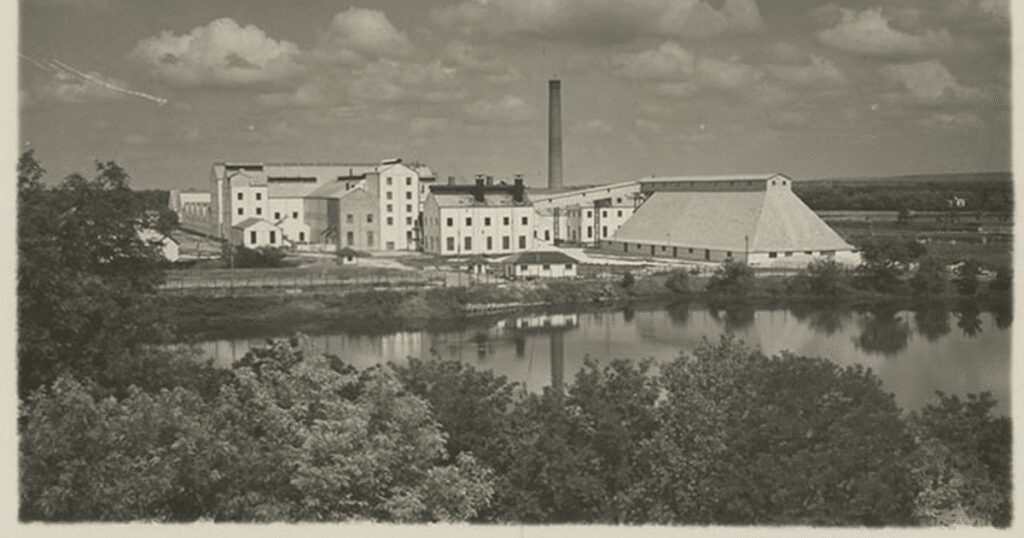
The interwar period in Romania marked an era of significant economic advancement, characterized by urban development and a burgeoning population. This demographic rise necessitated an expansion in food production capacity, prompting substantial investments in the food industry. By 1934, Romania boasted 1,036 factories employing nearly 30,000 workers, contributing over 10.6 billion lei in goods. This sector emerged as the country’s primary economic force, with projections for even greater growth; by 1935, the number of factories increased to 1,066, employing over 31,000 individuals and escalating the value of goods produced to 11.89 billion lei.
Investment capital in the food industry surpassed that allocated to petroleum extraction, which, while resource-rich, presented more significant challenges in production. The financial backing in 1934 reached 9.77 billion lei, rising to nearly 10.04 billion in 1935. This swift development led to a workforce that was insufficient to meet the demands of urban consumption. The adoption of advanced machinery became essential; by 1934, the food industry held a substantial number of motors, totaling 125,935 horsepower, which increased further to 128,991 horsepower the following year. Such machinery was acquired from progressive Western European nations, enhancing operational efficiency and longevity.
The agricultural and food industry partnership was vital for internal consumption and export opportunities. However, the shift to producing higher-quality processed goods encountered challenges, including high equipment costs and bureaucratic hurdles. This dynamic changed dramatically after the establishment of a communist regime, which declared a relentless war against landowners and farmers, a policy maintained until the regime’s collapse.
In summary, the interwar period was a time of remarkable growth for Romania, particularly in the food sector, which laid the groundwork for future economic landscapes despite facing significant political and operational challenges.


